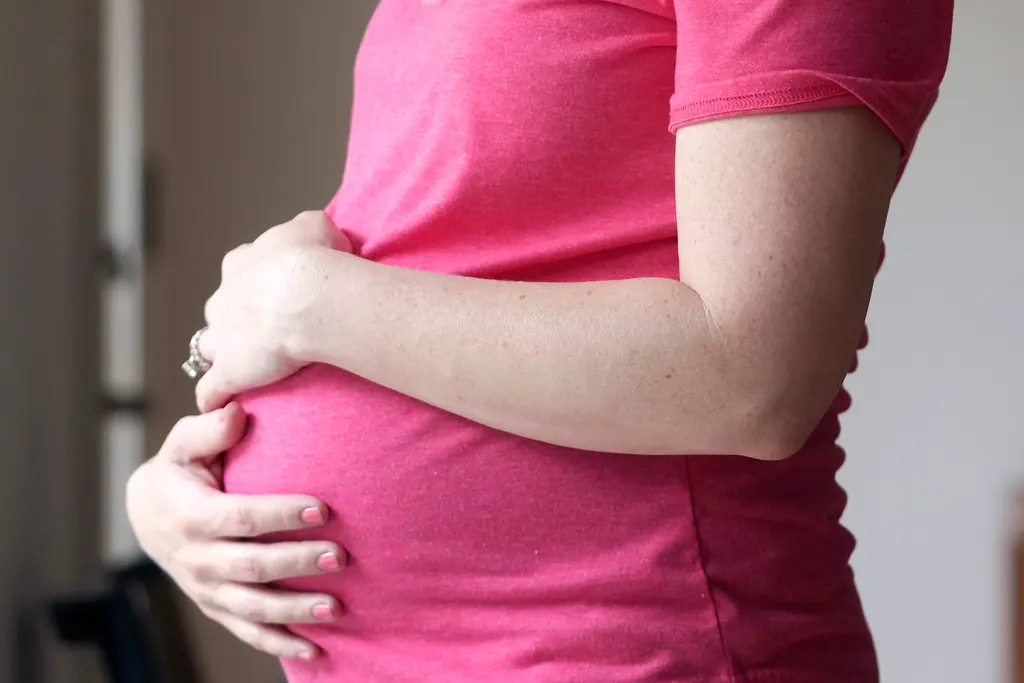
Most maternity marketing is aimed at the wrong person. By the time a brand starts talking to a "new mom," she's already picked her diapers, formula, wipes, car seat, stroller, and skincare. The real moment to win her isn't month two of motherhood. It's month five of pregnancy.
Maternity marketing has historically focused on the current mom, with far less investment in the woman who's expecting. That gap is a significant missed opportunity. For first-time parents in particular, the expecting period is when nearly every purchase category gets researched, debated, reviewed, and decided. What color for the nursery. Which formula is safest. Which car seat gets the best ratings. Which pediatric brand to trust. Which clothes can handle a toddler's abuse.
Brands that only show up after delivery arrive to a closed decision. Brands that earn attention during pregnancy shape a decision that often locks in for years, sometimes for a second child, sometimes longer.
Key Takeaways
The window matters more than the budget. First-time expectant parents make dozens of brand decisions during pregnancy that get repurchased for 2 to 5 years or more.
The category is growing fast. The global maternity products market reached roughly $47.2 billion in 2025 and is projected to hit $87.9 billion by 2034, a 7.2% compound annual growth rate.
Search still does the heavy lifting. First-time parents Google everything, from early symptoms to product comparisons, and video content now drives a large share of product discovery.
Dads are an underused audience. Roughly 52% of millennial parents feel ads are made more for mothers than fathers, and 83% say parenting advertising should appeal to both equally.
Gen Z parents are behaving differently than millennials did. They start with a question, not a brand, and abandon purchase paths that take more than a few seconds to clarify.
Why the Expectant Parent Window Is the Most Valuable Moment in Parenting Marketing
Pregnancy is not a neutral period for consumer brands. It is arguably the most consequential brand-selection window a household ever goes through outside of buying a home.
A pregnant shopper builds a short list for categories she's never purchased before: infant formula, diapers, wipes, car seats, strollers, monitors, cribs, bottles, pediatric skincare, bath products, breastfeeding supplies, maternity apparel, prenatal supplements, and a growing list of wellness and mental-health products. Many of these buying decisions repeat for 24 to 60 months or longer. Some carry over directly to a second child. Some define how she thinks about adjacent categories for a decade.
Once she has delivered and brought the baby home, the decision surface shrinks dramatically. She's sleep-deprived, protective of what already works, and skeptical of brand swaps. A 2025 analysis of mom shopping behavior found that 79% of moms use sales, coupons, and deals as part of their purchase process, and that moms tend to recommend brands they trust to other moms, family, and friends, which means every loyal customer is effectively an acquisition channel.
The marketing problem is simple to state and hard to execute. Most brands pile their spend on the new-mom moment, when loyalty is already forming around competitors who reached her earlier.
The Size and Shape of the Market Right Now
A few data points worth filing away:
The global maternity products market was valued at roughly $44.5 billion in 2024 and is projected to reach $87.9 billion by 2034, at a 7.2% CAGR.
The North American maternity apparel market was valued at $3.4 billion in 2025 and is forecast to hit $5.2 billion by 2035.
In the U.S., roughly 3.6 million babies are born each year according to the CDC's latest available data, a declining birth rate but a consistent acquisition pool.
Online sales in the personal care sector are projected to account for over 30% of total sales by 2026, reshaping how expectant parents discover and buy.
The premium segment is pulling the category up. Maternity wear in the $100 to $200 range held over 30% of the market in 2024, and luxury baby clothing continues to grow faster than the overall category.
Translation: the audience is motivated, digitally-native, willing to spend on quality, and actively shopping. The brands showing up with the right message at the right stage win disproportionately.
The First-Time Expectant Parent's Information Journey
First-time parents don't take a single path to a purchase. They take something closer to an endless loop: question, search, forum, creator, review, brand, back to question.
Search Still Matters More Than Marketers Think
Pregnancy is one of the few life moments where anxiety drives search volume. First-time moms are searching for definitions of "normal," for early warning signs, for what to buy when, and for what other parents bought and regretted. A single Google search for "how to change a diaper" returns tens of millions of results. A search for "best infant formula for sensitive stomachs" returns even more, with every major brand, retailer, and parenting publication fighting for the top positions.
If a brand isn't visible on a real, high-intent pregnancy query, it's effectively invisible. SEO content that answers genuine questions with depth, combined with paid search that targets commercial-intent queries, remains the most reliable way to earn a spot in the early consideration set.
For brands in competitive categories, the current state of search has two realities:
Organic SEO is still the long game. Winning well-researched queries takes real content investment.
Paid search is where most quick-turn acquisition happens. A well-run Google Ads program on category-defining queries can close the gap while organic content matures.
AI Search Is the New Variable
Search no longer ends at the Google results page. A growing share of pregnancy research now happens inside ChatGPT, Perplexity, Gemini, and other generative search tools. First-time parents are asking these tools to summarize product comparisons, explain medical terms, build shopping lists, and recommend specific brands. Brands that aren't cited in those answers are missing an increasingly meaningful share of early research.
Optimizing for AI search, often called GEO (Generative Engine Optimization) or AEO (Answer Engine Optimization), is quickly becoming a requirement for maternity brands that want to be considered by an audience that's researching in a chat interface rather than a browser.
Social Is the Modern Baby Shower
If search is where first-time parents ask questions, social is where they get answers from people they actually trust. Research from Korea found that roughly 73% of pregnant women turn to social media for guidance on pregnancy topics, from symptoms to postpartum recovery. TikTok in particular has become the central stage for pregnancy content, with hashtags like #pregnancyjourney, #momtobe, and #firsttrimester pulling billions of views.
A few behaviors that matter for marketers:
Expectant parents watch an unusually high volume of long-form content for their age bracket, from 10-minute YouTube reviews to 45-minute podcast episodes.
Creator-driven product content consistently outperforms polished brand content for first-time parent audiences.
Expectant parents treat social as a validation channel. They rarely buy from a single post. They see something on TikTok, Google it, check Reddit, and return to the creator's comments before converting.
A maternity brand that shows up only in polished, studio-produced TV and OLV (online video) advertising is spending against the wrong part of the purchase funnel. Creator content, tutorials, and unboxings carry more weight.
Pregnancy Apps Are a Quiet Powerhouse
Apps like BabyCenter, What to Expect, Ovia, Flo, and Glow maintain significant daily engagement from expectant parents. These apps are used for tracking symptoms, stage-by-stage development, scheduling appointments, and increasingly for shopping lists and product recommendations. For brands with a strong product-market fit, in-app media placements, partnerships, and editorial content inside these apps tend to convert at meaningfully higher rates than broad social placements.
Educational Content Is Still the Most Valuable Asset a Maternity Brand Can Create
Instructional content may sound like a well-worn idea. It is. It also still works better than almost anything else in this space.
First-time parents are, by definition, first-time learners. They don't know what they don't know. That creates a near-unlimited appetite for well-produced, well-researched, genuinely useful content about pregnancy, labor prep, postpartum recovery, newborn care, and early product decisions.
A few formats that consistently earn attention with this audience:
Weekly development emails that track what's happening with the baby and the body. These remain one of the highest-open email formats in any consumer category.
Short how-to videos on specific tasks: installing a car seat, swaddling, burping, bottle prep, and sleep setup.
Comparison guides that lay out real tradeoffs between categories or specific product tiers, not glossy product spotlights.
Creator partnerships that put the brand inside a real parent's real routine rather than on a green screen.
Expert-driven long-form content with pediatricians, lactation consultants, doulas, and pelvic-floor physical therapists. Medical credibility matters more with this audience than with almost any other.
The brand that earns the right to show up during a stressful pregnancy question earns the right to show up during a purchase decision.
From Mom-Focused Content to "Dadvertising"
The shift toward including dads in parenting marketing is no longer a trend. It's table stakes.
According to widely-cited research, 52% of millennial parents feel ads are made more for mothers than fathers, and 83% say advertising for parents should appeal to both equally. Household shopping, childcare, and decision-making are increasingly shared, and the advertising most parents see still doesn't reflect that.
This is a creative opportunity and a media opportunity.
On the creative side, that means:
Including dads in real situations, not as comic relief or background characters.
Showing dads researching products, handling feeding, tracking sleep, and making calls on gear.
Avoiding the "bumbling dad" trope that still shows up in far too many category campaigns.
On the media side, it means reaching dads where they actually are:
Podcasts and YouTube, both of which over-index for dads in the expectant-parent window.
Connected TV placements around sports, comedy, and long-form content.
Subreddits like r/daddit and r/NewParents, which have become real communities for expecting fathers.
Paid social placements with creative variants tested specifically for dads, not just recycled mom-targeted copy.
The brands that include dads authentically don't just expand their reach. They stand out in a category still dominated by mom-only messaging.
The Gen Z Parent Is a Different Shopper
The youngest wave of expecting parents is Gen Z, born roughly between 1997 and 2012. The oldest of them are now well into their late 20s, buying homes, getting married, and becoming first-time parents.
They shop differently than millennials did at the same age.
A few patterns that matter for maternity brands:
Gen Z parents begin the purchase journey with a question, not a brand. Legacy brand awareness is worth less here than it was for millennial parents.
They trust demonstrations, creator content, and real-world use more than polished marketing claims.
They validate decisions through multiple independent sources before buying, often four or five.
Research from Harvard Business Review found that 62% of Gen Z shoppers will abandon a purchase if a mobile experience takes more than 4 seconds to load.
They prioritize functionality, efficiency, and practical value over status.
According to a 2025 Accenture study, Gen Z consumers evaluate purchases across five metrics: price, quality, sustainability, brand values, and social currency. That's a harder rubric to pass than the one previous generations used.
For maternity brands, this means the brand's digital experience matters as much as the brand's message. A slow mobile site, a vague product page, or a confusing return policy can erase the effect of a six-figure media campaign.
Building a Maternity Marketing Program That Works
A strong maternity marketing program is rarely one channel working hard. It's a small number of channels working together.
1. Start With Real Consumer Research
The sharpest maternity campaigns don't start in the creative brief. They start with primary research on the real audience, including what they're anxious about, what they're excited about, who they trust, and where they've been burned by brands before. Broad category assumptions about "expectant moms" miss the segmentation that actually drives purchase: first-time vs second-time, dual-income vs single-income, suburban vs urban, and early vs late pregnancy stages all behave differently.
2. Build a Search-First Content Engine
Because search remains the backbone of pregnancy research, every serious maternity marketing program needs a sustained content investment. That means:
Keyword research aimed at high-intent pregnancy queries across every product category the brand plays in.
Long-form articles structured for both Google and generative AI search.
FAQ content that answers the actual questions expectant parents are typing.
Technical SEO work on site speed, mobile experience, and Core Web Vitals.
Schema markup that helps AI search engines understand and cite brand content.
3. Win the Creator Conversation
Creator partnerships are no longer a nice-to-have. In baby and maternity categories, they're often the highest-converting spend on a marketing plan. The best results come from longer-term partnerships with creators in the audience's real trust circle, not one-off sponsorships with the biggest names available.
4. Use Paid Media to Accelerate, Not Carry
Paid search, paid social, retail media, and connected TV can close the acquisition gap while organic content and creator partnerships mature. The key is to use paid media in support of a well-built content and creator ecosystem, not as a substitute for it. Bigeye is a Google Ads Certified Partner, Meta Business Partner, and Amazon Ads Verified Partner, which matters when the paid layer has to tie back to a full-funnel strategy.
5. Measure Beyond Last-Click
Maternity purchase paths are long. A last-click attribution model will consistently undervalue the early-pregnancy content and creator touchpoints that set up the sale. Brands that invest in marketing mix modeling, incrementality testing, and view-through measurement get a far more accurate read on what's actually working.
Where Most Maternity Brands Get It Wrong
A few patterns show up over and over in this category:
Over-indexing on the postpartum window. The spend shows up after the baby arrives, when the brand decisions are already made.
Flat, stock-photo creative. Pregnancy has more emotional texture than almost any category, and most maternity ads look like every other maternity ad.
Mom-only messaging in dual-parent households. Dads are shopping, researching, and deciding, often as the primary buyer in specific categories like car seats and monitors.
Lifestyle content that ignores the medical reality. First-time parents want reassurance, accuracy, and clinical credibility, not just aspirational imagery.
Skipping AI search optimization. Generative AI has already captured a meaningful share of early-stage pregnancy research, and most brands still haven't built for it.
Summarized Takeaways (TL;DR)
The best time to win a parent is during pregnancy, not after delivery. Brand decisions made in months 4 through 8 of pregnancy often lock in for years.
The maternity market is growing fast, with the global category projected to nearly double by 2034.
Search, social, creator content, and pregnancy apps carry the most weight with first-time expectant parents. Traditional brand advertising alone underperforms.
Dads are an under-invested audience, with millennial and Gen Z fathers increasingly driving category decisions.
Gen Z parents behave differently than millennials did. They start with questions, verify across multiple sources, and abandon slow digital experiences quickly.
A winning maternity marketing program combines research-led strategy, search-first content, creator partnerships, and full-funnel paid media, measured with modern attribution.
Frequently Asked Questions
1. When is the best time in pregnancy to reach expectant parents with marketing?
The highest-value window for most consumer categories is the second trimester, roughly weeks 14 through 27. First-time parents have moved past early pregnancy anxiety, the pregnancy is usually publicly announced, and active product research begins in earnest for the nursery, gear, apparel, and ongoing wellness categories. The third trimester tends to concentrate around final purchase decisions for hospital bag items, feeding supplies, and postpartum care.
2. How big is the maternity and baby marketing opportunity in 2026?
The global maternity products market was valued at roughly $44.5 billion in 2024 and is projected to reach $87.9 billion by 2034. North America remains the largest regional market, with North American maternity apparel alone forecast to grow from $3.5 billion in 2026 to $5.2 billion by 2035. Overall baby product spending in the U.S. runs into the hundreds of billions when apparel, food, gear, healthcare, and services are included.
3. What marketing channels work best for reaching first-time pregnant moms?
The highest-performing channels for first-time expectant moms today are organic search, paid search, creator partnerships on TikTok and Instagram, pregnancy apps, email nurture programs, and connected TV. Most effective programs blend long-form educational content with shorter-form creator content, layered with paid search and paid social to accelerate acquisition. Podcast advertising has also grown significantly as a channel for both moms and dads.
4. How should dads factor into maternity marketing strategy?
Dads should be active participants in both creative and media strategy, not supporting characters. Research shows 83% of millennial parents believe advertising should speak to both parents equally, yet the majority of category creative still defaults to mom-only messaging. Strong programs build distinct creative tested specifically against dads, and media plans that place against sports, comedy, podcasts, YouTube, and relevant subreddit communities where expectant fathers actually spend their time.
5. What is GEO or AEO, and why does it matter for maternity brands?
GEO (Generative Engine Optimization) and AEO (Answer Engine Optimization) refer to optimizing brand content so it gets cited by AI search tools like ChatGPT, Perplexity, Gemini, and Claude. A growing share of pregnancy research happens inside these tools, where users ask for product comparisons, medical explanations, and brand recommendations. Brands that invest in structured content, authoritative FAQs, and entity-rich writing are significantly more likely to be cited. For maternity brands, where first-time parents are actively asking AI for guidance, GEO is becoming a requirement, not an option.
6. How do Gen Z parents behave differently than millennial parents?
Gen Z parents start with a question rather than a brand, rely heavily on creator and peer validation, and abandon slow or unclear digital experiences quickly. Research from Harvard Business Review found 62% of Gen Z shoppers will abandon a purchase if an app takes more than 4 seconds to load. They also evaluate purchases across more dimensions than previous generations, including sustainability, brand values, and social currency, which makes them less brand-loyal but more cause-loyal.
7. How important is SEO and content marketing for baby and maternity brands?
Extremely important. First-time parents search, compare, and validate relentlessly. Brands that rank for high-intent pregnancy and baby queries capture a disproportionate share of early consideration. A strong content engine typically includes long-form educational articles, FAQ pages, stage-specific guides, comparison content, and expert-led pieces with pediatricians or other clinical voices. This same content increasingly drives citations in AI search, which compounds the value.
8. What role do influencers and creators play in maternity marketing?
A significant one. First-time parents consistently report that real-world creator content, reviews, and demonstrations influence their purchase decisions more than polished brand advertising. The highest-performing creator programs tend to be longer-term partnerships with mid-tier creators who have genuine trust in parenting communities, rather than one-off posts from macro-influencers. TikTok, Instagram Reels, and YouTube are the dominant formats, though creator-led podcast mentions are also growing.
9. How should maternity brands measure marketing performance given the long purchase journey?
Last-click attribution consistently undervalues early-pregnancy touchpoints, which often happen months before a purchase. Strong maternity brand measurement typically combines multi-touch attribution, marketing mix modeling, incrementality testing, and view-through measurement. Brands should also track lifetime value carefully, because expectant-parent acquisition often seeds multi-year purchase behavior across feeding, gear, apparel, and wellness categories.
10. Where does Bigeye fit into a maternity marketing program?
Bigeye partners with consumer brands across maternity, baby, CPG, and retail to build full-funnel marketing programs grounded in consumer research. We run proprietary research through EyeQ, our rapid consumer intelligence platform, to pressure-test creative, positioning, and category assumptions in as little as 10 days. We combine that research with creative strategy, paid media execution across Google, Meta, Amazon, and retail media networks, lifecycle email through Klaviyo, and analytics dashboards through EyeSight. The result is a single, accountable partner for the entire maternity marketing program, from early-pregnancy content through post-purchase loyalty.
Ready to build a maternity marketing program that reaches expectant parents at the moment they're actually making decisions? Get in touch with our team.

Branding & Creative
Sep 24, 2026
Brand architecture guide comparing masterbrand, endorsed, and house of brands to cut wasted spend and sharpen buyer choice.