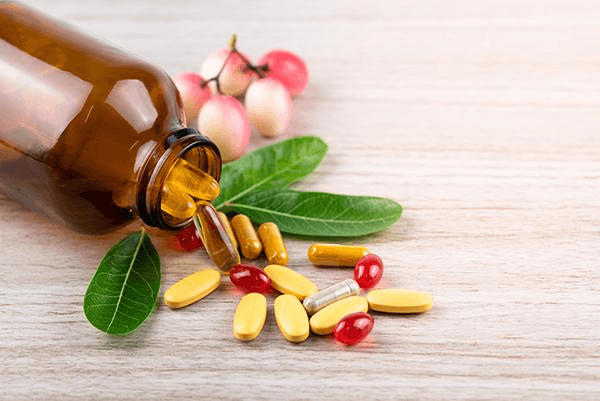
Nootropics promise to play a big part in the future of the pharmaceutical and nutritional supplement market. It’s time to get your nootropics marketing strategy in order!
Some people know them as “cognitive enhancers,” while others might refer to them as “smart drugs.” No matter what you choose to call them, nootropics are big business and only getting bigger.
What Are Nootropics?
Broadly defined, the term “nootropic” can refer to any pharmaceutical drug or nutritional supplement that is taken by generally healthy individuals in an effort to improve or enhance mental function. Nootropics can be either natural or synthetic. You can readily purchase some over the counter, while others require a doctor’s prescription.
Different nootropics target different elements of cognitive processing including those that govern executive function/conative control, memory, attention, concentration, creativity, and motivation.
Two of the most widely consumed nootropics are caffeine (which boosts alertness) and nicotine (which affects both attention levels and motor functions). For marketing purposes, however, we will focus on other substances that are purchased specifically for their mental enhancement properties.
A recent article by Healthline ranked the nootropics L-Theanine (a naturally occurring amino acid that engenders feelings of calmness) and creatine (a common bodybuilding supplement that has also proven effective at sharpening short-term memory and reasoning skills) among the top nootropics in the modern marketplace. Other nootropics singled out by Healthline include Ginkgo biloba, Bacopa monnieri, Rhodiola rosea, Panax ginseng, Noopept, Piracetam, and Phenotropil.
The Strength of the Nootropic Product Market
Regardless of what types of nootropics they are taking and why they are taking them, general consumers are turning to smart drugs and conative enhancers in increasing numbers.
According to a recent report by Zion Market Research, the nootropics product market is expected to reach approximately $5,959 million by 2024. Taking a broad look at the nootropics sector as a whole, this report, titled “Nootropics Market By Application (Memory Enhancement, Mood and Depression, Attention and Focus, Longevity and Anti-Aging, Sleep, Recovery, and Dream Enhancement, and Anxiety): Global Industry Perspective, Comprehensive Analysis, and Forecast, also predicts a nootropics compound annual growth rate (CAGR) of approximately 15.7% between 2018 and 2024.
How to Market Your Nootropic Products
In light of the growing popularly of nootropics among the global public, you’ll want to make the most of this rapidly expanding health and wellness sector. Here are just a few tips that can help your particular nootropic product(s) stand out in the marketplace.
1. Lead with the Problem
As previously discussed, nootropics can address a range of specific mental functions and cognitive deficiencies. By specifically targeting common problems at the head of your marketing materials, you can instantly capture the rapt attention of your chosen audience.
Many marketers operating in the pharmaceutical/nutritional supplement sector have made the mistake of jumping directly to the benefits of a particular product before first firmly setting up the problem that it solves. When it comes to nootropics, a clearly established problem/solution approach will drive conversions more readily than an approach that is centered around the presentation of specific product features.
2. Offer Free Samples
Pharmaceutical/nutritional supplement sector have long known the tremendous value of a free sample. And free samples are particularly effective when it comes to marketing substances, like nootropics, that are designed to enhance health and wellness rather than treat a dangerous medical condition.
Free samples of prescription nootropics can be distributed through physicians who ensure that these medications are only available to those who can truly benefit from them. Studies have shown that doctors who receive free pharmaceutical product samples are significantly more likely to prescribe that product.
3. Connect with Customers Emotionally
Memory, attentiveness, and general cognitive function are areas of health and wellness that connect with people on a strong emotional level. By tapping into this emotion, you can not only capture audience attention but drive consumer conversions. Just be sure that you choose emotional appeals have a basis in fact and are relevant to the specific nootropics that you are marketing.
Social media offers ample opportunities to emotionally connect with audiences in a genuine way. Consider launching an interactive campaign that encourages people to comment on your product and share their feelings about it.
For More Information on Nootropics Product Marketing
A forward-thinking marketing agency with a specific focus in the healthcare industry, Bigeye is always one step ahead of the competition. Like all emerging and rapidly growing markets, the nootropic market is an area of specific interest to us. To learn more about nootropics marketing and other areas that relate to advertising and promotion, contact us today.

Branding & Creative
Sep 24, 2026
Brand architecture guide comparing masterbrand, endorsed, and house of brands to cut wasted spend and sharpen buyer choice.