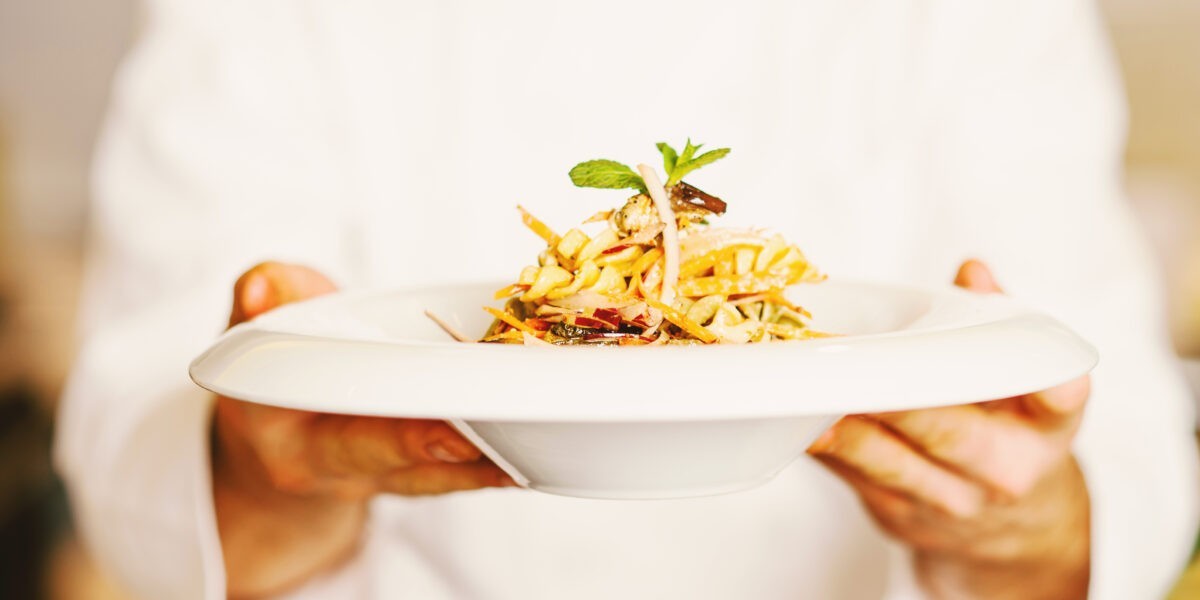
It’s 2017 and fast food restaurants are starting to catch on: green is in and greasy is out. We’ve all seen the Instagram accounts with millions of followers that only post acai bowls and kale salads. Okay, so what does this mean for fast food restaurants, and more importantly- what does this mean for their marketing strategy? Whether the menu is organic, locally sourced, or cage-free, it’s clear that the fast casual restaurant model is winning with consumers. The Chipotles and Shake Shacks of the world have revolutionized consumer expectations of what fast food might actually include. With healthier consumer mindsets, companies like McDonald’s will need to place a greater emphasis on the “food”, not just the “fast” when it comes to effective fast food marketng strategies. While we still crave the efficiency that comes with a quick meal, that doesn’t mean that we aren’t compelled to make healthier choices as we take on the world, either. We’ll take a pricier burrito bowl over the $1 menu McChicken if it means feeling good about my eating choices (and sparking jealousy from my followers on Snapchat). So what are the fast food giants doing to shake things up? For starters, McDonald’s is shifting its philosophy from “billions served” to “billions heard”. Burger King and McDonald’s have added salads to the menu, and Mickey D’s is now serving antibiotic-free chicken, milk from cows not treated with growth hormones, as well as egg white breakfast sandwiches. Not without notice, the company is taking steps to clean up its act, so to speak. The misstep here, though, is the threat of brand inconsistency when it comes to strategic fast food marketing. Is McDonald’s attempting to ditch their old image, replacing it with the notion that they’ve evolved into the go-to restaurant for quick and mindful meals, or are they clamoring to reach millennials by being unapologetically indulgent? While I’m glad McDonald’s has added more health-conscious items to the menu, and I don’t believe the chain has to lean one way or another in an effort to remain successful on the fast food marketing front, the traditional image they have consistently held is going to be a mighty tough one to shed - and one they shouldn’t be so quick to throw away with that crumpled-up sandwich wrapper. I don’t think McDonald’s needs to hop aboard the kale and granola, solar-powered train just yet. People still want to indulge, and as long as there’s a 24-hour drive-thru available, hungry Americans are going to continue to crave their Big Mac fix. Not everyone is counting calories or putting spinach in their smoothies; the problem with McDonald’s image may boil down to simple food quality. By bumping-up the perceived quality of their meals (even if it means increasing prices accordingly), aligned with a strategic marketing plan, they may just remedy any residual reputational risk. Hungry to develop a fast food marketing strategy that speaks to today’s consumer? Contact our team to effectively super-size your marketing efforts and deliver messaging that resonates with existing and prospective “grab-a-meal-on-the-go” enthusiasts!

Branding & Creative
Sep 24, 2026
Brand architecture guide comparing masterbrand, endorsed, and house of brands to cut wasted spend and sharpen buyer choice.