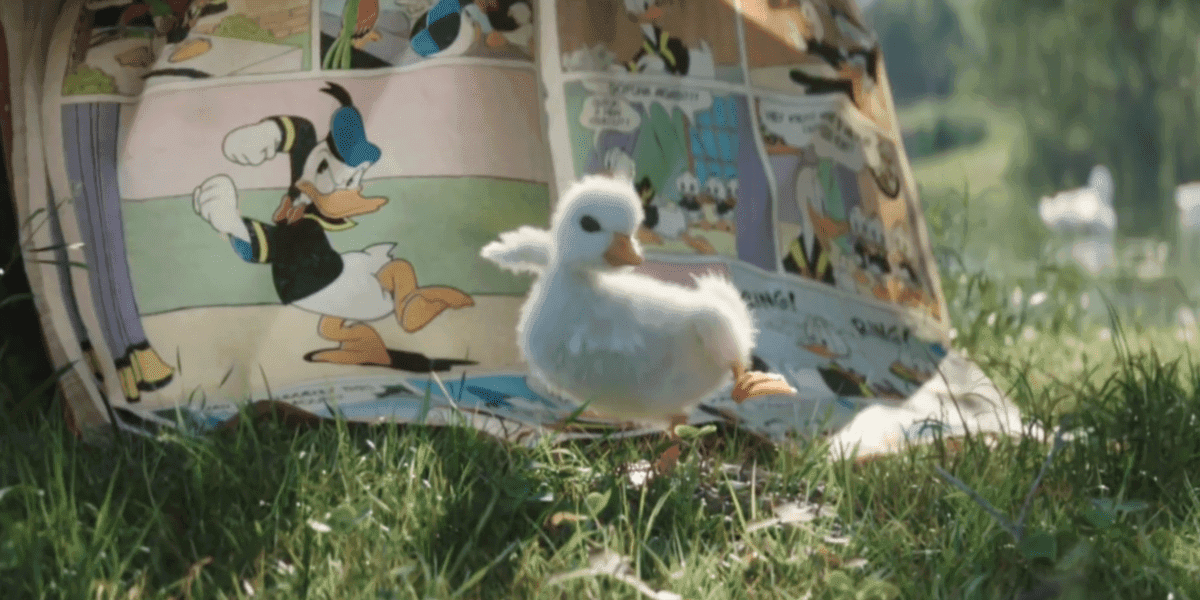
Prepare for an emotional overload! Work with a brand development company to help craft an ad that pulls at the heartstrings and connects consumers. Any good brand development company knows that emotional resonance is one of the keys to great advertising. If you can move someone emotionally, there's an excellent chance you'll be moving some product soon afterward. Obviously, not all emotions are created equal in this sense. Brands making a habit of sending audiences into a hot rage probably wouldn't be beneficial. But joy? Wonder? Delight? If you can master those feelings throughout your brand messaging the way Disney has, your brand has unlimited potential.
Disney and the science of "cute overload"
You've probably noticed that people are naturally drawn to cute things, with babies, puppies, and kittens serving as exhibits A, B, and C. But baby ducks might be the cutest of them all. Small, squeaky, and equipped with adorably goofy bills and oversized webbed feet, baby ducks are certainly in the Pantheon of Cuddly Animals. Disney's recent ad showcasing its EuroDisney theme park exposed our collective love of baby ducks in brilliant fashion. The story plays out like this: A tiny, lonely baby duck finds an old Donald Duck comic book in a field and is instantly infatuated. The duckling mimics Donald's poses and seems to spend all his time absorbed in the book's pages. Unfortunately, a change of season comes in the form of a nasty thunderstorm and some seasonal migration. The duckling has to leave his beloved comic book behind, as he flies away to parts unknown with the rest of the flock. In a heartwarming twist, however, the flock's new home just happens to be on the outskirts of EuroDisney. Who does the duckling see standing in front of the theme park? Donald Duck himself, resplendently clad in his customary three-sizes-too-small sailor suit. The duckling runs to Donald, hugs him and closes his eyes in sheer bliss -- striking the same pose that millions of children visiting Disneyworld have also experienced after meeting Donald, Mickey, Minnie, etc. It's a pretty brilliant advertisement -- even for a company that specializes in creating this kind of magic. If you're a brand or a brand development company, it also provides a good opportunity to examine just why this approach is so effective. As it turns out, it's all in our DNA.
Why the cuteness sells
It's not uncommon to see someone pinch a baby's rosy red cheeks. Or, to hear someone utter the (slightly unnerving) phrase "you're so cute I could just eat you up" when in the presence of a baby. So why do humans feel a compulsion to pinch and squeeze babies and puppies? Science has an answer. According to a 2015 study conducted by Yale psychologist Oriana Aragon, the feelings that adorably cute babies and animals inspire in us are so overwhelming that we instinctively follow them up with feelings of aggression. The general idea is that humans are designed to maintain emotional equilibrium. The presence of a baby (or an adorable duckling) sparks such an emotional reaction within us that we immediately compensate by thinking or acting in a more traditionally aggressive manner. That's a fascinating finding -- and one with interesting implications for any brand development company, as well as the advertising and marketing industry as a whole. If emotional resonance is the Holy Grail of connecting with audiences, cuteness overload might be the map that helps brands discover it.
The takeaway
At BIGEYE, we help brands create the kind of advertising and marketing campaigns that inspire and delight audiences. If you're not getting maximum value from your current marketing approach, please contact us today to learn what we can do for you.

Branding & Creative
Sep 24, 2026
Brand architecture guide comparing masterbrand, endorsed, and house of brands to cut wasted spend and sharpen buyer choice.